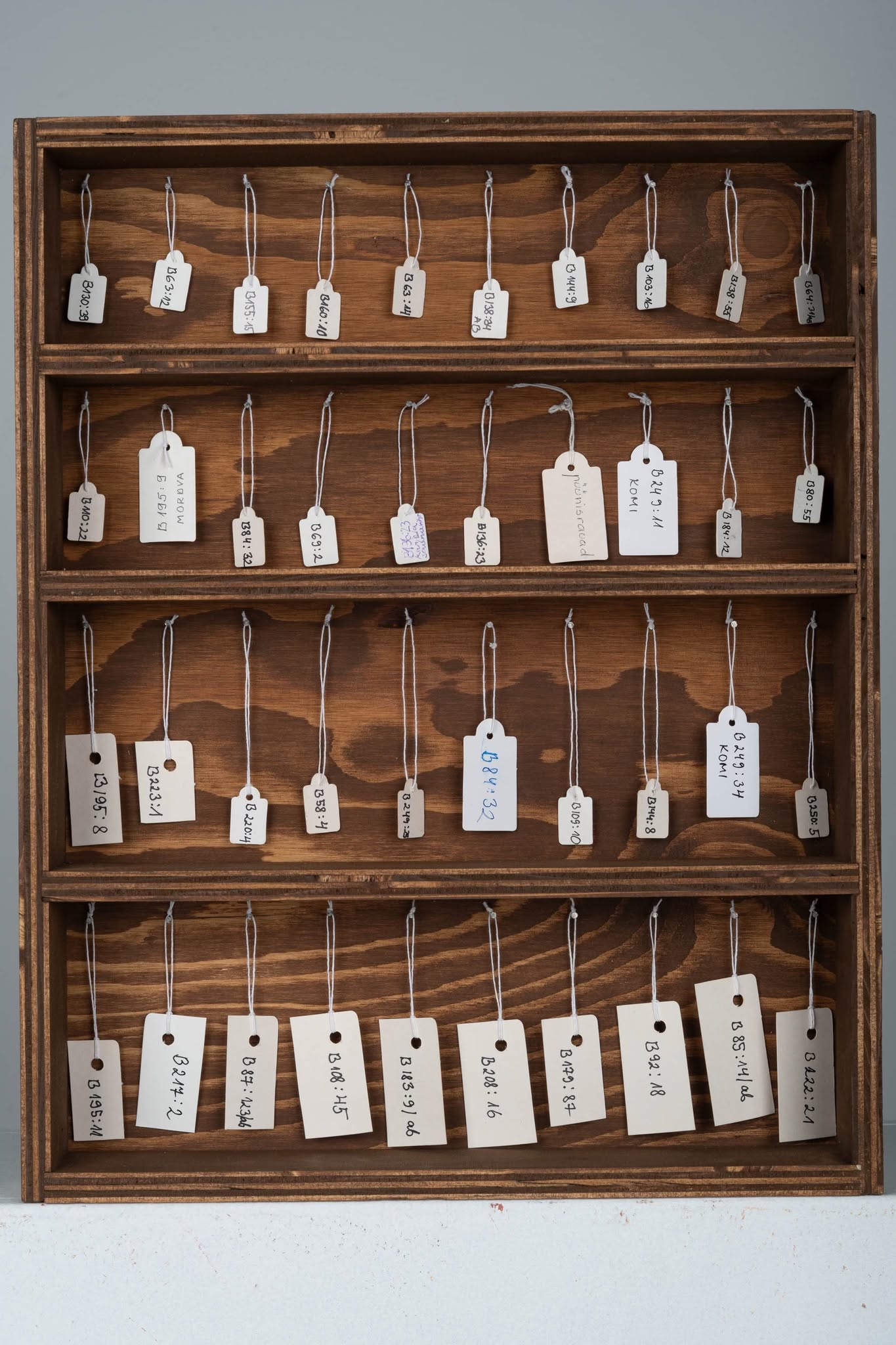
Eesti muuseumides asuva soome-ugri ja saami pärandi kogumise ajalugu on pikk ning kohati vastuoluline. Nendes kogudes ei talletata üksnes esemeid, vaid ka unustatud lugusid – põlisteadmisi, suhteid ja hääli, mis on jäänud dokumenteerimata või varju.
Konverentsil uurime kogude kujunemise ja kasutamise lugu, ennekõike aga küsime, mida teha edasi: milliste uute ja võimestavate viisidega saaks avada seni varjus olnud teemasid ja luua uusi teadmisi.
Soovime luua aruteluruumi, mis keskendub kogude ümbermõtestamisele ja nende tulevikule. Tähelepanu all on esemete autorite, üleandjate ja kogumisviiside uurimine, samuti teadlik töö institutsionaalse ja kultuurilise amneesiaga. Kuidas kasutada kogusid lähtekohana uute võimaluste ja horisontide otsimiseks? Kuidas kujundada uusi teadmiste loomise viise, mis toetuvad olukorratundlikule ja koostööpõhisele mõtlemisele ning võimaldavad soome-ugri ja põlisrahvaste teemadega tegeleda kaasavamalt ja mittehierarhiliselt?
Olulisel kohal on dialoog dekoloniseerimise teemadel, milles käsitletakse selle tähendusvälju ja praktikaid eri kontekstides – saami, Eesti ja laiemalt Euraasia taustsüsteemis ning soome-ugri kogude eripärade kaudu. Seostades neid vaatenurki globaalse dekoloniaalse teooria ja praktikaga, toome esile piirkondlikud eripärad ning võimalused, mida siinse regiooni ja materjali käsitlemine pakub koloniaalajaloo ning dekoloniseeriva diskursuse avardamiseks.
Eraldi tähelepanu all on muuseumides olevate teoste autorid ning loovuurimus kui praktika, mille kaudu on võimalik uurida, kuidas valdkondadeülene lähenemine saab aidata esile tuua varjatud hääli ning avada kogude jaoks uusi kasutus- ja mõtestamisviise.
Kolmepäevane konverents on jaotatud mitmeks teemaplokiks, kus eri valdkondade teadlased ja kunstnikud käsitlevad kogude ajaloolisi ja kaasaegseid tähendusi ning tulevikku suunatud teadmiste loomise ja edastamise viise.
Konverents toimub Eesti Kunstiakadeemia, Eesti Kunstimuuseumi ja Eesti Rahva Muuseumi koostöös.
Programm
1. oktoober
Toimumiskoht: Kumu kunstimuuseum (Weizenbergi 34 / Valge 1, Tallinn)
18.00 Näituse „Ekspeditsioon. Soomeugrilane ja pildi võim“ avamine Kumu kunstimuuseumi aatriumis
2. oktoober
Toimumiskoht: Eesti Kunstiakadeemia (Põhja pst 7, Tallinn), A-101 auditoorium
10.00–10.15 Avasõnad
I paneel
10.15–11.45 Kogud ja koostöö
Svetlana Karm (Eesti Rahva Muuseum) ja Piret Koosa (Eesti Rahva Muuseum). Hõimluse kogemise ja kogumise vastuolud Eesti Rahva Muuseumi välitöödel
Laur Vallikivi (Tartu Ülikool). Jumalad, iidolid ja museaalid: Khekhiq’ide biograafiad neenetsi tundras
Bart Pushaw (Tennessee Ülikool Chattanoogas). (ettekande teema ja pealkiri täpsustamisel)
Moderaator: Linda Kaljundi (Eesti Kunstiakadeemia)
II paneel
12.00–13.00 Etnograafiline film
Stephan Dudeck (Tartu Ülikool, Lapimaa Ülikool, Vilniuse Ülikool, Siberi Kultuuride Fond) ja Liivo Niglas (Tartu Ülikool). Koostööpraktikad Lennart Meri filmiprojektis „Toorumi pojad“
Alo Paistik (uurija-filmitegija, Goethe-Universität Frankfurt). Arhiiv kui maakitsus. Märkmeid piltide naasmisest
Moderaator: Terje Toomistu (Tartu Ülikool, Tallinna Ülikool)
13.00–14.00 Lõunapaus
III paneel
14.00–14.45 Naftamaastikud: kaevandamine, tööjõud ja põlisrahvaste vastupanu
Katherine Zubovich (Buffalo Ülikool). Hilissovetlikud naftamaastikud: Eesti ehitusmaterjalid ja ehitajad Kogalõmi naftalinnas
Moderaator: Andres Kurg (Eesti Kunstiakadeemia)
14.45–15.00 Paus
15.00–15.30 Anders Kreuger (ettekande teema ja pealkiri täpsustamisel)
Paneeldiskussioon
15.30–17.00 Muutuste praktikad: kunst – uurimuslik aktivism
Marika Alver (Eesti Keele Instituut)
Jaanika Vider (Tallinna Ülikool)
Pauliina Feodoroff (kunstnik, filmitegija, Saami kultuuri ja õiguste eestkõneleja, stsenarist)
Eero Ehanti (Soome Rahvusmuuseum)
Moderaator: Anders Kreuger
3. oktoober
Toimumiskoht: Eesti Rahva Muuseum (Muuseumi tee 2, Tartu), Moora auditoorium
15.45–16.45 Paneeldiskussioon: Mida teeb kunstnik kogudes? Praktikad, võimalused ja probleemid
Kunstnikud, filmitegijad ja uurijad:
Karl Joonas Alamaa
Jaanus Samma
Pauliina Feodoroff
Alo Paistik
Moderaator: Eva Toulouze (Tartu Ülikool)