Four artists and researchers selected for the Estonian National Museum’s international photo archive Residency
An international cohort of residents will undertake six months of collaborative research before creating a joint exhibition opening in February 2027.
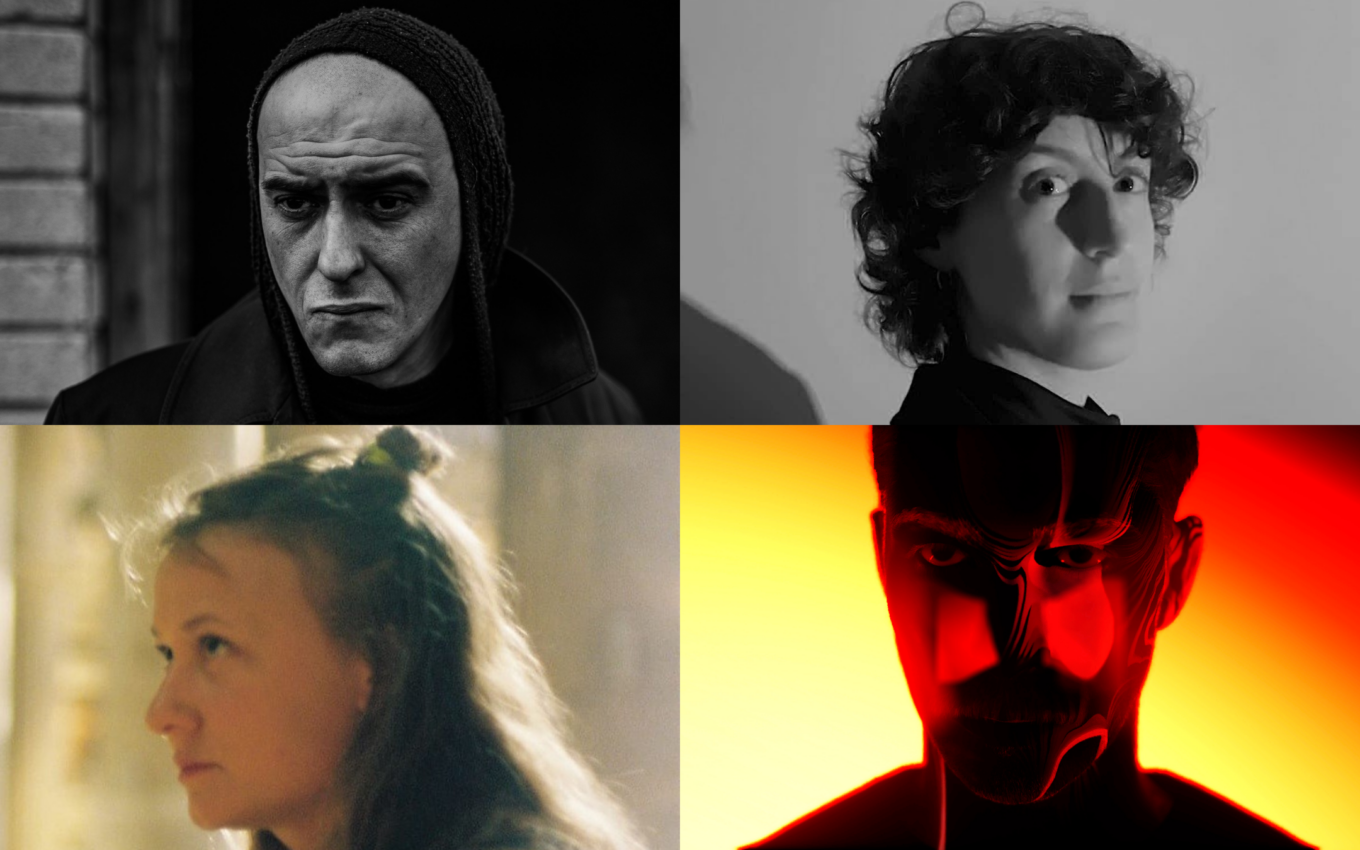
The Estonian National Museum has selected four artists and researchers for its 2026–27 International Residency: Paris-based artist and designer Nicolas Mimault; Spanish filmmaker and anthropologist Claudia Barthelemy Rojo; Estonian installation artist Jevgeni Zolotko; and French architect, photographer and researcher in urban design Élisabeth de Bézenac.
The residents were chosen by the museum’s exhibition committee following an international open call that drew 261 applicants from 53 countries. The committee assessed the clarity and quality of the research proposals, their relevance to the photographic collection and the applicants’ capacity for sustained collaboration.
From September 2026 to February 2027, the residents will work with a shared body of material from the museum’s photographic collection of more than 400,000 photographs. The collection ranges from nineteenth-century glass negatives to digital images and documents everyday life, material culture and social change in Estonia. Through joint research, the residents will develop an exhibition in the Estonian National Museum’s 742-square-metre temporary exhibition hall, opening on 24 February 2027 and remaining on view until 19 September 2027.
“No photograph, and no photographic archive, is neutral. What gets photographed, by whom and how, depends on a wide range of individual, cultural, historical and technological circumstances. The same is true of what enters an archive, what is preserved, how it is described and made findable. Four people looking at the same collection will produce different observations. The challenge, and the value of this residency, is getting all of that into one collectively authored exhibition,” said Karin Leivategija, researcher at the Estonian National Museum and facilitator of the residency.
Each resident will receive a creative grant of €10,000. The Estonian National Museum will also provide institutional support, archival access, travel and accommodation during the collective working and installation periods, and an exhibition architect alongside a production team.
The International Residency is part of ERMX, the Estonian National Museum’s programme marking ten years since the opening of its home in Raadi. ERMX brings together international exhibitions and new opportunities to participate, explore, reflect and create together. Read more about ERMX: ERMX – Eesti Rahva Muuseum
Residents
Nicolas Mimault is a Paris-based artist and designer working with light, moving image, interactive systems and spatial computing. Trained in interaction design and a graduate of Sciences Po Paris, he creates immersive installations, audiovisual performances and experimental environments. His work examines how technological systems shape perception and spatial experience, including what digital tools preserve, distort and omit.
Claudia Barthelemy Rojo is a Spanish filmmaker and anthropologist based in Madrid. Working across documentary cinema, ethnographic research and collaborative practice, she explores memory, family archives, queer identity, technology, territory and the tensions between reality and fiction. Her projects have been developed through programmes including the Film Academy Residencies, Coofilm and CIMA Impulsa.
Jevgeni Zolotko is an Estonian installation artist based in Tartu. His site-specific works examine the relationships between language and matter, cultural memory, religion and the subconscious. He studied sculpture at Tartu Art College and the Estonian Academy of Arts and received the inaugural Köler Prize in 2011. His major solo exhibition The Secret of Adam was presented at Kumu Art Museum in 2024–25.
Élisabeth de Bézenac is a French architect, photographic artist and researcher in urban design. She developed a practice across photography, film and writing through collaborations with journalists, artists, anthropologists and various scientific programmes. Her work across different parts of the world informs an ongoing interest in how people shape places and how places shape people. Her doctoral research focuses on dark spaces and nocturnal environments.