Estonian Folk Culture
Exhibitions & Events

Friends of ENM
New Building
Research Exhibitions and Events 2009 Collections Co-operative Activities Publications ENM Links ENM 100 Media search     
Open exhibitions
Exhibitions and Events 2010
Exhibitions 2009
Evening of Culture
Night of the Museum
Summer in ENM
Older exhibitions
Exhibitions 2006
2006
Virtual exhibitions
Taste of Europe
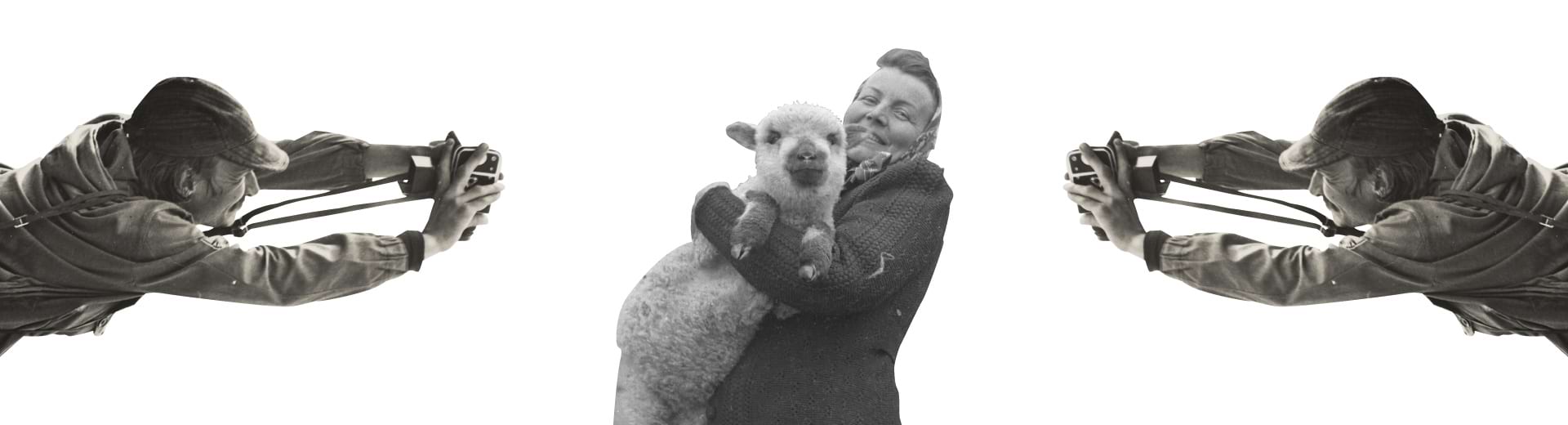
Johannes Pääsuke. Man with Two Cameras

Photographic exhibition
Estonian National Museum 23.5 – 31.8. 2003

For more than 90 years, the Estonian National Museum has preserved photographic heritage by Johannes Pääsuke (18.3.1892 – 27.12.1917) as part of its collections. The Johannes Pääsuke Collection forms probably the most valuable part of the photocollection of the Estonian National Museum.
Johannes Pääsuke probably contacted the museum in 1912, when he had already taken pictures of different places all over Estonia on his own initiative. It might be presumed that the photographer came to the museum on a newspaper advertisement, where the ENM called photographers for lending their cameras to the museum because of their high prices, or offered to engage their services in order to replenish the department of pictures of the homeland.

Also the first film made by an Estonian was made by Johannes Pääsuke. He started shooting the films in the year 1912, together with making photographs for the Estonian National Museum. A considerable amount of the photographs made by  him are made parallel with film-making, with both cameras within his reach. Different sources provide aboud 40 films and film piece shot by Pääsuke. In total are extant ten films in Estonian Filmarchive: five newsreels, four chronical films and one fiction film – political satire “Bear hunt in Pärnu County”.

One of the biggest undertakings in cooperation with the Estonian National Museum was a photographic tour of the North Estonian coast, Muhumaa and Saaremaa Islands that J. Pääsuke and his travelling companion made from June 10 to July 29, 1913.
The trip was rather difficult, yet, interesting and fruitful. The young men were adventurous and full of initiative. They covered most of the itinerary on foot, carrying the film and photographic equipment as well as all the other things necessary for the trip. After some time the full negatives were sent by post to Tartu, and the museum sent new glass plates to the post-offices that had been formerly agreed upon. Besides photographing they also collected old things and Johannes dutifully added in his letters hints to future collectors.
When the itinerants returned from their difficult journey, they were quite satisfied with the results, and so was the museum. On August 2, 1913, the museum published an announcement in all Estonian newspapers, saying, “In June photographer Joh. Pääsuke was sent by the museum to take pictures of interesting landscapes, people’s work and activities, buildings, ethnographic objects, people, and so on. The diligent photographer together with his companion went through nearly all the Tallinnamaa coast, taking interesting pictures everywhere. There is a great number of photographs taken in Muhumaa and Saaremaa. The collection amounts to more than 300 photos. A collection like that is valuable in itself.” On August 16 an “Exhibition of the Views of Homeland” opened at the museum, which also displayed photographs taken during this trip.
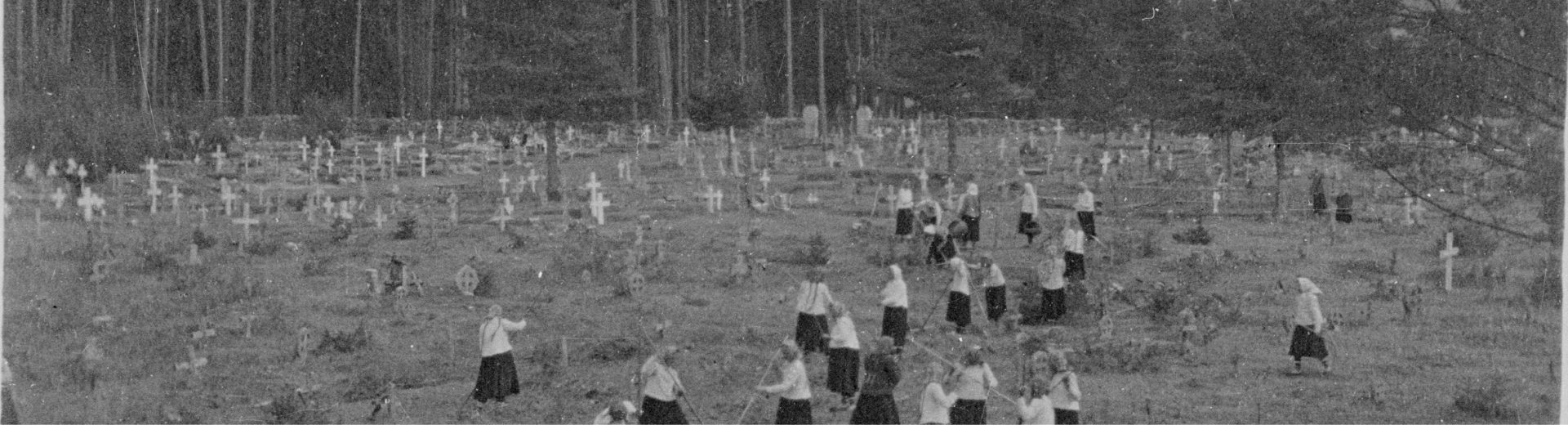
In addition to photographing and developing, collecting old objects and postcards, Johannes Pääsuke also developed the negatives made by other people connected with the ENM, copied their pictures, took photos of museum objects, and made postcards. The last bigger photographic series was taken from April 20 to July 18, 1914, in the town of Tartu. The series gives quite a good survey of the older buildings of the town. Pictures were taken of the general views of streets, dwellings, public buildings, exciting courtyards and outbuildings in slums, as well as parts of buildings (doors, locks), interiors (including staircases and stoves) and human types. The series is completed by the pictures of St. Mary’s cemetery and the mobilization of World War I. In October of the same year an exhibition of Old Tartu was mounted of the views of Tartu.

On September 8, 1915, was Johannes, by the order of the military service commission, mobilized as a second-rank infantryman to World War I. He was assigned to serve in the reserve battalion of the Lithuanian Regiment of the Foot Guards.
Even during his military service Pääsuke continued his work as a photographer and film-maker. At the end of 1917, when Pääsuke was about to return to his homeland, there was a railway accident at Orsha station in Byelorussia. Johannes Pääsuke was killed in the accident at 7 am, on December 27, 1917, being 25 years and 9 months old. As their son had expressed his wish to be buried in his homeland, his parents decided to bring his remains to Tartu.

Pärtel Ribin (76), a fisherman from Muumasaare, smoking a pipe. June 1913. Photo by Johannes Pääsuke.

The photographs by J. Pääsuke have been widely used – already during his lifetime, the ENM printed postcards that sold well, and organized two exhibitions. Later on, his photographs have been used in almost all ethnography-related exhibitions and in the printed word.
The concept of this exhibition by photo artist Toomas Kalve is based on the enlargement technique, but has been wide-ranged and involves contemporary technical resources. The photographs by J. Pääsuke allow a ten-time top quality enlargement, producing new details that were barely visible so far. The exhibited 92 photographs mainly date from the years 1913 and 1914, when J. Pääsuke was employed by the ENM to take pictures of Estonia and its people.
Exhibition is organized by the Estonian National Museum in collaboration with the Tartu Art College.

Exhibition team:
From the Tartu Art College: Curator, designer: Toomas Kalve, Peeter Linnap, Tiit Lepp
From the Estonian National Museum: Jüri Karm, Arp Karm, Kairi Kaelep, Jane Liiv, Kristjan Raba, Jana Reidla, Maido Selgmäe, Ivi Tammaru.
From the Estonian Film Foundation Jaak Lõhmus

The exhibition team thanks:
Cultural Endowment of Estonia
Estonian Historical Archives
Estonian Filarchive
Estonian Film Foundation
Estonian Literary Museum
UBS Repro OÜ

Mrs. Vaike Keerutaja
Mr. Mart Kollom
Mrs. Maret Moks
Mr Knut Pärnpuu
Mr. Andrus Rootsmäe
Mrs. Annemarie Weister
Mrs. Gisela Weister

to the beginning