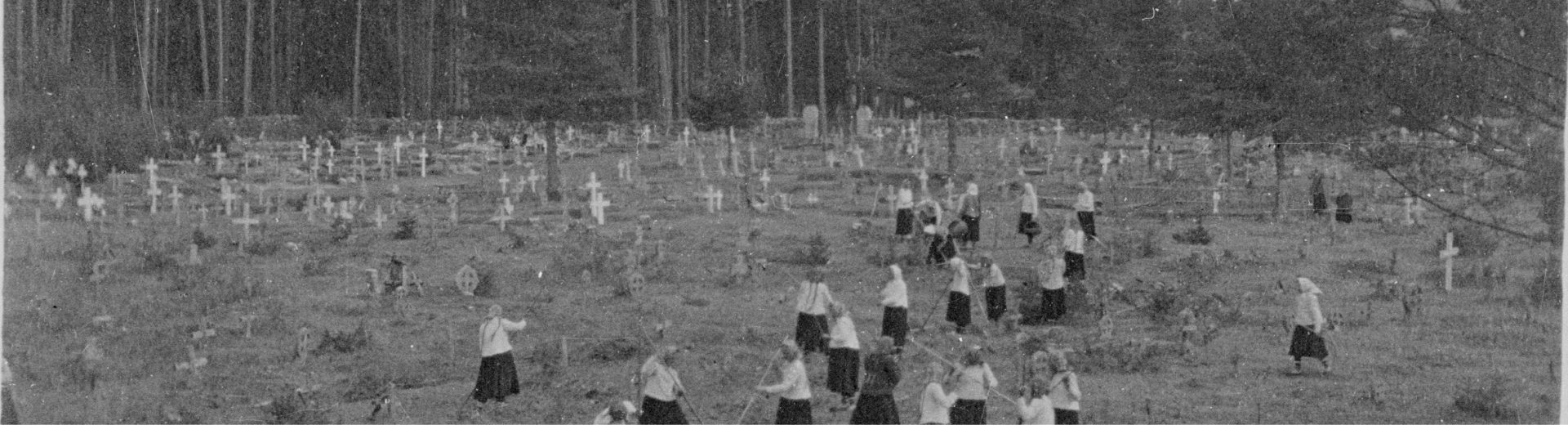
ERMi fotoarhiiv klaasnegatiividest digipiltideni ootab uurijaid. Neli residenti saab kuue kuu vältel süveneda meie fotoarhiivi ning panna oma töö tulemusena ERMi vahetuvate näituste kokku ühisnäituse, mis on avatud 26. novembrist 2026 kuni 4. juulini 2027.
Kas Eesti rahvarõivaste värvid on tõesti meie enda omad või hoopis kaugete maade ja globaalse värvikaubanduse tulemus? Millist hinda maksab keskkond värviliste rõivaste eest ja mis lahendusi võiks pakkuda sajandeid vanad looduslikud värviretseptid?
Eesti Rahva Muuseumi 64. aastakonverents „Rannarootslased. Randunud ja juurdunud“ leiab aset Eesti Rahva Muuseumis 18.-20. märtsil 2026 ning on ajendatud ERMi koostatud samanimelisest näitusest.
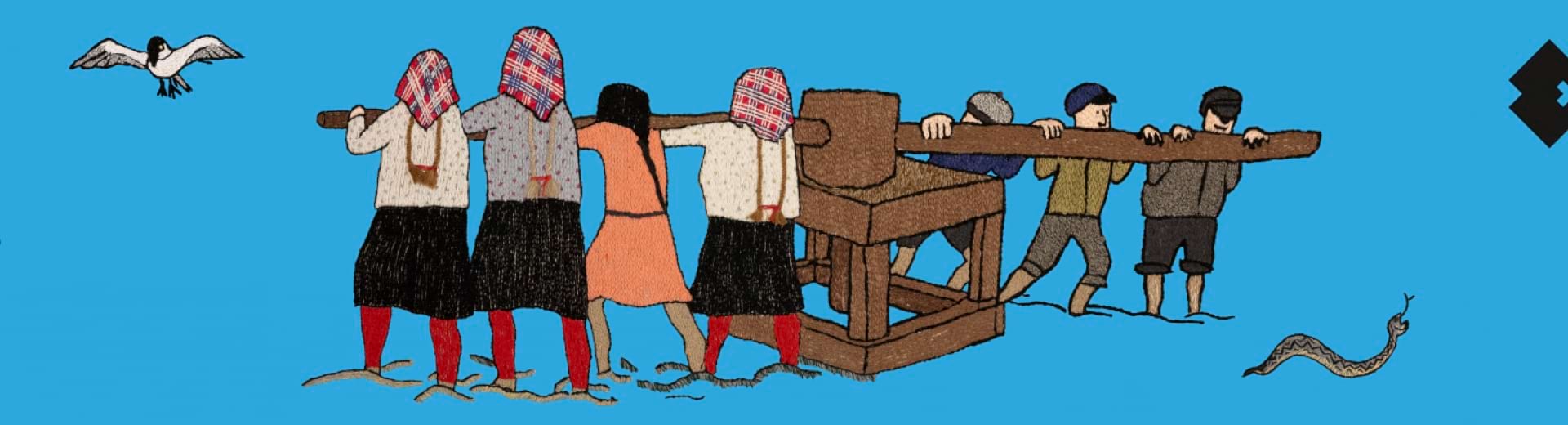
Kas oled mõelnud, et ka Sinus võib olla natuke rannarootslast? Ja kui polegi, siis Lääne-Eestis elanud rootsikeelse kultuurivähemuse elu märgid on siiani näha nii koha- kui kirikunimedes. Ava uks, astu nende maailma ja tutvu ühe rahva sadade lugudega!
17. jaanuaril avati Eesti Rahva Muuseumis uus näitus „Meie rõiva värvid. Kohalik ja kauge“. Näitus tutvustab loodusvärvide ja värvikaubanduse ajalugu läbi teemakohaste teadusuuringute ning juhib tähelepanu tekstiilitööstuse keskkonnamõjudele, mida loodusvärvide kasutamine leevendada võiks.
Eesti ajaloo tuntuimal maletajal on 7. jaanuaril 110. sünniaastapäev. Kerese mälestuse hoidmiseks oodatakse inimestelt ERMi Pildiaita jäädvustusi malemängust. Žürii valib parimad pildid ning jagab välja sümboolsed auhinnad.
Jaanuarikuus näeb ilmavalgust Anu Raua elutööraamat „Anu Raud“, mis käsitleb armastatud tekstiilikunstniku eluteed ja loometööd. Raamatu koostas kunstnik Ene-LiisSemper. Esitlused toimuvad 2026. aasta algul Tartus, Tallinnas, Viljandis ja Pärnus.
NB! Trükikoja tarneraskuste tõttu on hetkel saadaval vaid 100 eksemplari!
Eile, 4. detsembri õhtul otsustas UNESCO relvakonflikti korral kultuuriväärtuste kaitse komitee Pariisis toimunud istungil lisada Eesti Rahva Muuseum ja Eesti Rahvusarhiivi peahoone Noora Eesti riigi esitatud taotluse alusel tõhustatud kaitse nimekirja.
Kuraator Jan Kausi ja kunstnik Henry Griini "Kaotusest laotusse" lookleb unenäolises labürindis eesti pagulaskirjanduse ja -kogemuse radadel. Lavastuslike elementidega näitus tõlgib ilukirjanduse väljendusjõu kombatavaks ruumikogemuseks, mille peaosaline on külastaja ise. Näitus on avatud veel kuu aega ning lõpukuupäeval viib Jan Kaus läbi kolm kuraatorituuri.